
Getting Started with Basic Bookkeeping
The three records every business needs to maintain and how to set them up in under an hour.
Read GuideWhich accounting approach actually works for your Malaysian small business? We’re breaking down digital software, paper systems, and the hybrid methods that get real results.

When you’re starting out, the accounting tools decision feels overwhelming. Do you buy software? Stick with notebooks and spreadsheets? Find some middle ground? Here’s what we’ve learned: there’s no universal “right” answer. What works depends on your business size, complexity, and honestly, how comfortable you are with technology.
The real insight is this — you don’t need the most expensive tool. You need the tool you’ll actually use consistently. A dusty ledger notebook teaches you nothing. Accounting software you never open is just monthly waste. We’re going to walk through what each method really offers, the actual costs involved, and how to know when it’s time to upgrade.
Let’s start with the traditional approach. Paper accounting means handwritten ledgers, receipts stored in files, and maybe a basic calculator. You’re not going to be doing this at enterprise scale, but for very early-stage businesses? It actually has merits.
The catch? It doesn’t scale. Once you’re handling 20+ transactions daily, paper becomes a bottleneck. You can’t quickly search for a specific payment. Calculations are manual and error-prone. And if you need to file taxes, the government wants organized records — which means transcribing everything anyway.

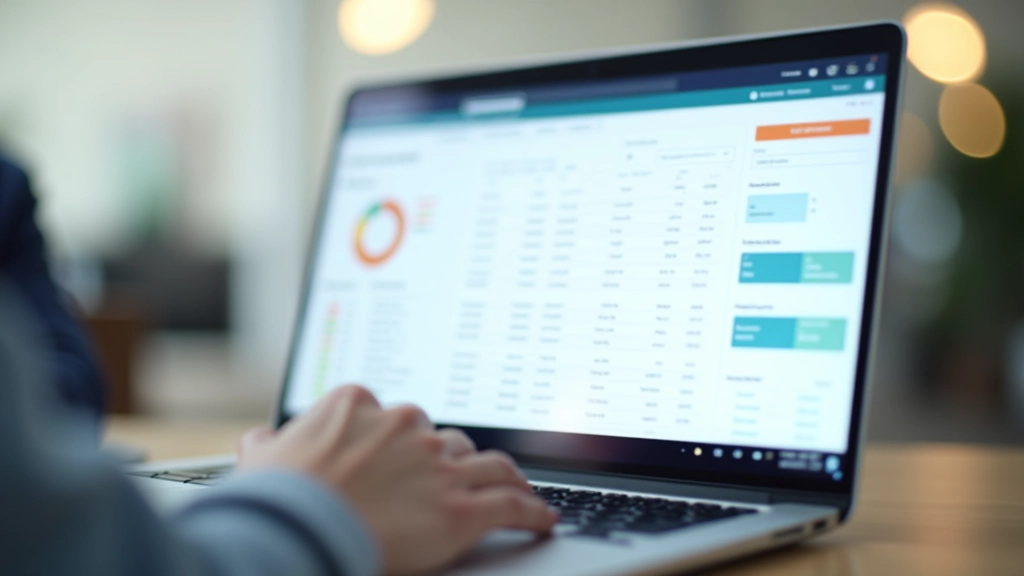
Digital accounting software is where most growing businesses land. And there’s good reason — it handles calculations automatically, generates reports instantly, and stores everything in searchable formats. Whether you’re using something simple like a spreadsheet or proper accounting software, digital methods scale.
The options range widely. Spreadsheets (like Excel) cost nothing but require discipline and skill. Cloud-based software like QuickBooks or FreshBooks handles invoicing, expense tracking, and reporting automatically. Mid-tier solutions offer good features without overwhelming complexity.
Paper
High. Every entry is manual. Searching takes flipping through pages. Month-end reconciliation means hours of cross-referencing.
Digital
Low. Data entry happens once (often automatic). Reports generate instantly. Month-end reconciliation takes 15-30 minutes.
Paper
Prone to human error. Math mistakes, transposed numbers, illegible handwriting. No automatic validation.
Digital
Formulas calculate correctly. Duplicates are flagged. Reconciliation highlights discrepancies immediately.
Paper
Hits a wall around 30-50 monthly transactions. Beyond that, you’re drowning in paperwork.
Digital
Handles thousands of transactions effortlessly. Grows with your business without workflow changes.
Paper
Almost free. Notebooks cost a few ringgit. Your real cost is time wasted on manual work.
Digital
Varies widely. Free tools exist. Cloud software ranges from RM50-500 monthly depending on features.
Here’s where most successful Malaysian businesses land. They don’t choose one extreme — they combine approaches strategically. You might keep a simple notebook for daily cash flow tracking (it’s tactile and immediate), but use spreadsheets for categorized expenses and digital software for invoicing and tax prep.
One real example: a small trading business uses a handwritten daily ledger to track cash in/out (forces them to review daily), uploads receipts to a cloud folder daily, and reconciles everything in spreadsheet monthly. Takes 3-4 hours monthly. When they hire an accountant for tax filing, the records are organized and complete.
“The best tool isn’t the fanciest one. It’s the one you’ll actually use every single day without overthinking it.”
— Common finding from Malaysian business owners

Lots of business owners purchase expensive accounting software because it’s “professional,” then never use it because the interface confuses them. You’ve wasted money and you’re back to paper.
The cheapest option isn’t the best value if it wastes your time. A RM150/month software that saves 5 hours weekly is better than free software that takes 20 hours to manage.
Picking a system that works today but won’t scale next year means switching systems mid-business. That’s expensive in time and money. Think about where you’ll be in 18 months.
Using paper one month, spreadsheets the next, and software the third month creates gaps. Consistency matters more than perfection. Pick one system and stick with it.
Don’t overthink this. Here’s a practical framework for Malaysian small businesses:
Use paper or a basic spreadsheet. You don’t know your patterns yet. The overhead of learning complex software isn’t worth it. Get through the learning phase, then decide if you need to upgrade.
Time to move to digital. Either learn a solid spreadsheet system or use cloud software. Paper stops being viable here. You need quick reporting and error-checking that paper can’t provide.
Proper accounting software becomes necessary. You need integration with banking, invoicing, and tax compliance. The RM200-500 monthly cost is tiny compared to the time it saves.
There’s no universal “best” accounting tool. Paper works for tiny operations with minimal transactions. Digital tools scale better and save time. A hybrid approach often gives you the best of both — the hands-on awareness of paper with the efficiency of digital systems.
What matters most? Consistency. Pick a system you’ll actually use every day without frustration. That might be a notebook. It might be Excel. It might be cloud software. The system you use consistently beats the “perfect” system you ignore.
Start simple. Use what you have. Track everything. Then upgrade when you genuinely need the next level. Your accounting system should serve your business, not the other way around.
Ready to explore what method works for your situation? Start by understanding your transaction volume and time constraints. The right tool reveals itself quickly.
Explore More Accounting Guides


This article provides general educational information about accounting methods for small businesses in Malaysia. It’s not professional accounting or tax advice, and circumstances vary widely based on your specific business structure, industry, and revenue level.
For specific accounting recommendations, tax compliance questions, or record-keeping requirements, consult with a qualified accountant or tax professional in Malaysia. They’ll understand your particular situation and provide tailored guidance.